



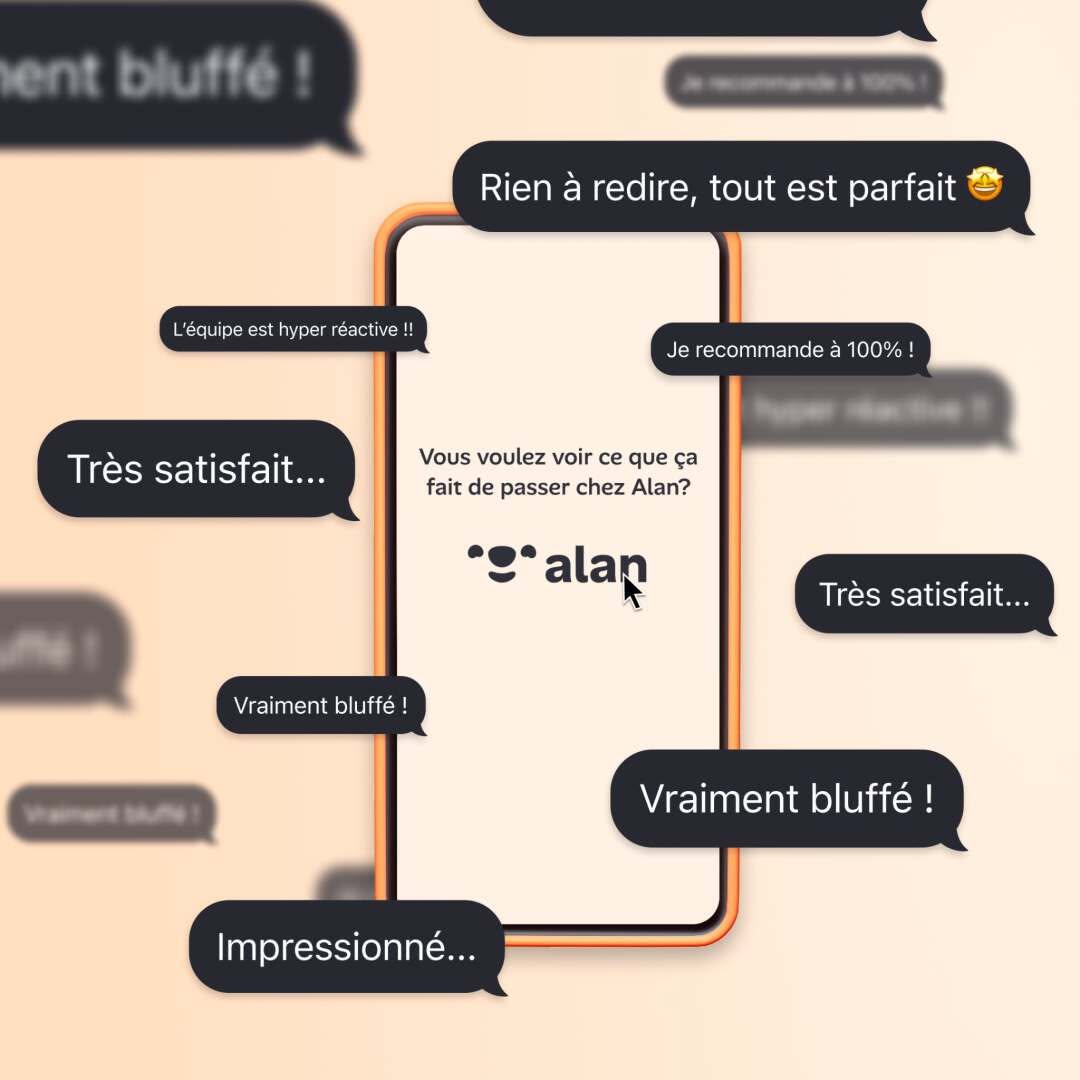
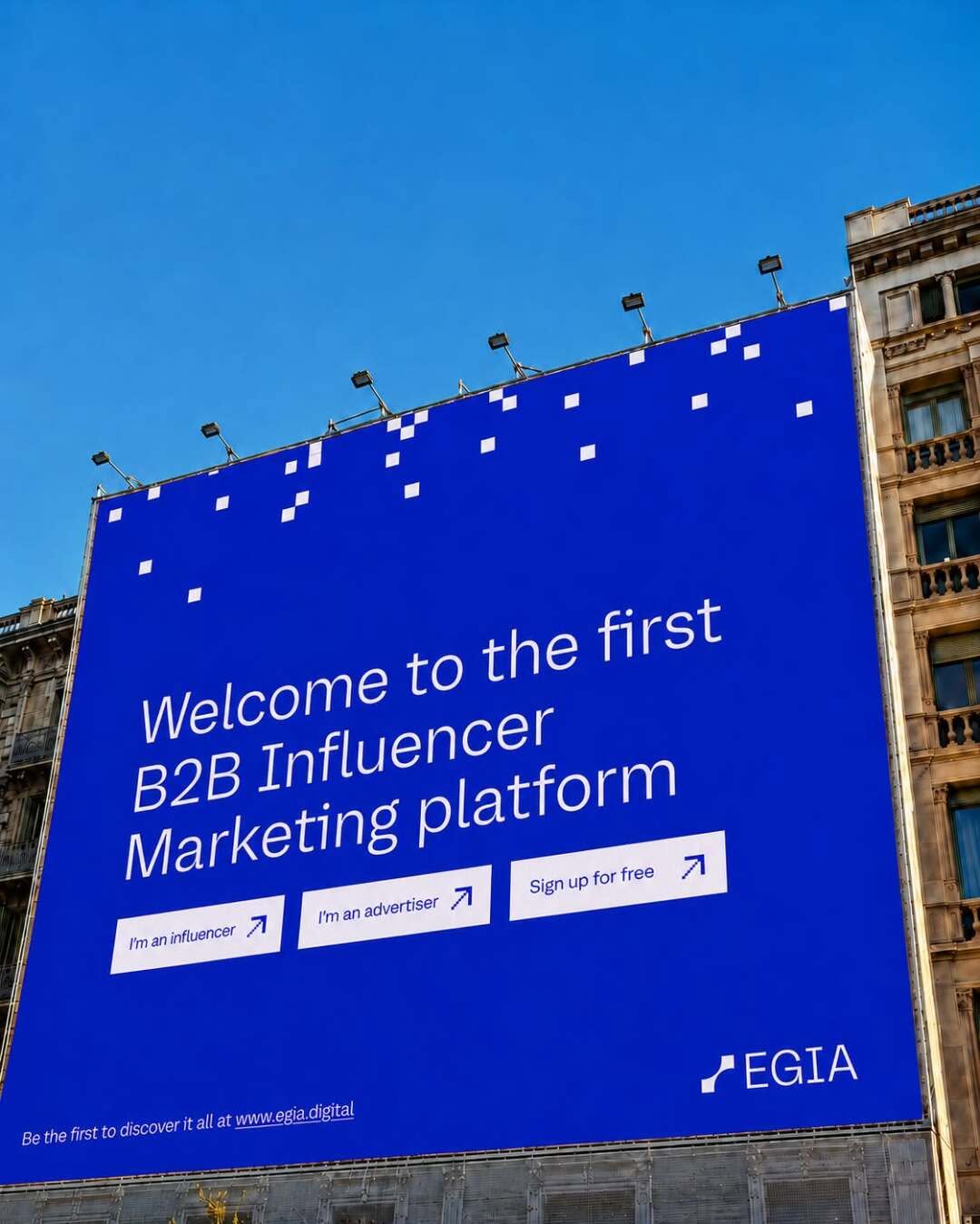
You don't keep it to copy the words. You keep it to see the structure underneath: how the hook opens, how the offer is framed, what the proof looks like, where the ask lands.
Where the term comes from
Direct-response copywriters kept physical folders of the mailers and print ads that pulled a response — Gary Halbert's advice to keep one is the version most people have heard. The logic survived the change of medium. An ad that spends real money and keeps running is evidence about what an audience responds to, and a swipe file is where you keep the evidence.
Why marketers keep one
It kills the blank page.
Nobody writes a good hook from nothing. Starting from a structure that has already worked is faster, and it is how most working copywriters actually start.
It builds pattern recognition.
One good ad is an idea. Two hundred in the same niche show you the conventions — what every ad in that market does, and the one thing the best ones do differently.
It makes briefs concrete.
“Make it punchier” costs a round of revisions. Three references cost nothing, and everyone means the same thing afterwards.
It is research, not theft.
What you take is the mechanism: the angle, the pacing, the shape of the offer. Lift the words instead and you ship a worse version of someone else's ad.
What is worth keeping
Anything with a mechanism you could reuse — the first three seconds of a reel, a headline that reframes the product, an offer that removes the risk, a comment section arguing about the price. Above all, a creative that has run untouched for months: sustained spend on a single ad is the closest thing to a public test result you will get.
Why most swipe files rot
Most swipe files are a camera roll, an Instagram saved folder, or a page of links, and all three fail the same way: the source disappears. Advertisers stop running ads and the Ad Library entry goes with them, posts get deleted, accounts go private. A year later you have grey boxes and no memory of why you saved any of them. The screenshots that survive are no better — you cannot search an image, so nothing comes back at the moment you need it.
Why this one holds up
Capture takes two seconds, where you already are.
Ads are found on a phone, mid-scroll. Send the post, reel or TikTok to the Telegram bot and it is filed — no tab to open, no export step. The swipe file you actually keep is the one that never interrupts you.
The creative is mirrored, not linked.
Every ad is copied into our own storage the moment it is captured — video, images and copy. When the advertiser stops running it or the post comes down, your reference is still there.
It is searchable, so it comes back.
Search the copy, the headline and the advertiser; filter by niche, platform, format and country. Save an ad in March and find it in October, when you finally need that hook.
It is shared, so it only works if you add to it.
A private file is only as good as your own last month of scrolling. Here the collection is public and ranked by how many people saved each ad — what you add becomes what everyone searches, and you start from what others already judged worth keeping.
Moodboards for when the brief lands.
Group the ads for a launch, a client or an angle onto a board, instead of scrolling the whole library every time.